
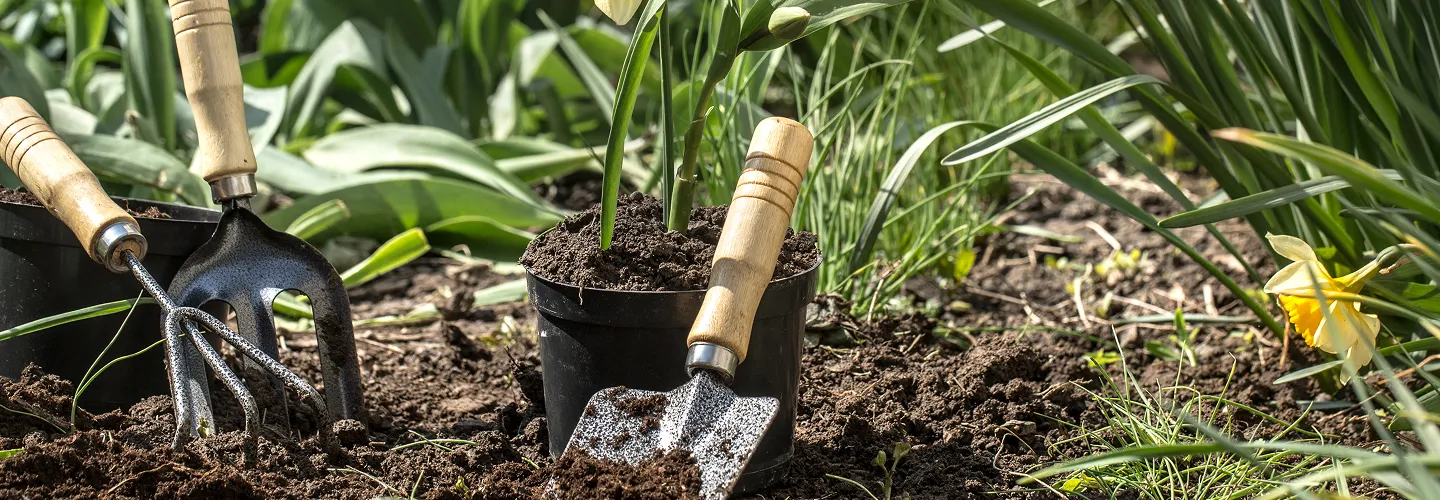
Lehigh Acres Plant Removal Services
Choose our plant removal services for safe, thorough, and eco-friendly solutions that restore your landscape’s beauty while saving you time and effort.
Get a Free QuoteOur Lehigh Acres Landscaping & Yard Care Services
When to Schedule Plant Removal in Lehigh Acres, Florida – Seasonal Guide
In Lehigh Acres, Florida, timing your plant removal is crucial for both the health of your landscape and compliance with local guidelines. The subtropical climate here means that the best periods for plant removal are typically late winter through early spring, before the onset of the rainy season and high humidity. This window allows for easier root extraction and minimizes regrowth, especially in neighborhoods like Mirror Lakes and Westminster where dense foliage and mature landscaping are common.
Local environmental factors such as the risk of late frosts, which can occur until early March, and the sandy, well-draining soils found near Lehigh Acres Community Park, play a significant role in determining the optimal removal schedule. Additionally, municipal guidelines and seasonal drought risks should be considered to avoid unnecessary stress on your remaining plants. For more information on local regulations, visit the official municipal resource.
Local Factors to Consider for Plant Removal in Lehigh Acres
- Tree and shrub density in your yard
- Soil type and drainage, especially in areas near Harns Marsh
- Seasonal precipitation patterns and drought risk
- Shade coverage from mature trees
- Local frost dates and humidity levels
- Municipal restrictions or permit requirements
Benefits of Plant Removal in Lehigh Acres
Expert Landscaping Team
Efficient Plant Removal
Eco-Friendly Disposal
Improved Curb Appeal
Customized Solutions
Competitive Pricing
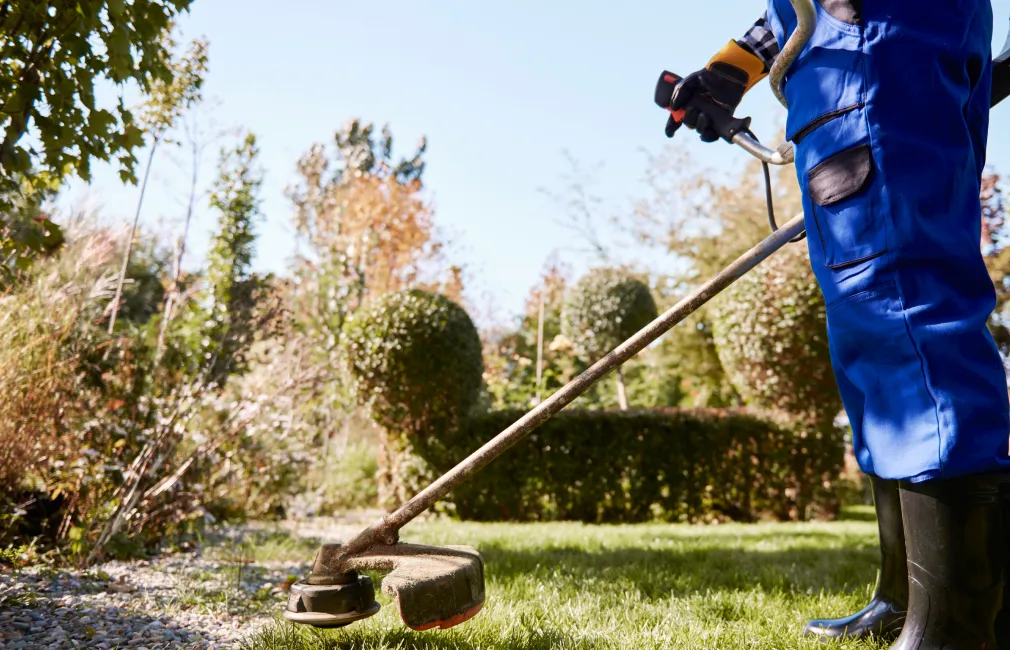
Lehigh Acres Plant Removal Types

Tree Removal
-
Shrub Removal
-
Stump Grinding
-
Invasive Species Removal
-
Root System Extraction
-
Hedge Clearing
-
Overgrown Vegetation Removal
Our Plant Removal Process
Site Evaluation
Preparation and Safety Measures
Plant Uprooting
Debris Removal
Site Restoration
Why Choose Lehigh Acres Landscape Services
Lehigh Acres Homeowners Trust Us
-
Comprehensive Lawn Maintenance
-
Reliable Irrigation Solutions
-
Expert Tree and Shrub Care
-
Weed and Pest Control
-
Seasonal Clean-Up Services
-
Competitive Pricing
-
Satisfaction Guarantee
Coordinating Plant Removal With Lee County Departments in Lehigh Acres
Lehigh Acres is an unincorporated community governed by Lee County, which means all plant removal coordination—from vegetative debris disposal to site disturbance review—routes through county-level departments rather than a municipal office. Property owners planning to remove established plantings, overgrown vegetation, or invasive species should first determine whether the removal involves right-of-way areas, drainage swales, or utility easements, as each of these triggers different county review pathways. Lee County's Department of Community Development oversees land-use compliance and site work review, including cases where plant removal alters screening buffers, required landscaping, or vegetation within development-regulated zones. Residents should verify current vegetative debris collection schedules and bundling requirements through the county before placing removed plant material curbside.
- Contact Lee County's Department of Community Development before removing plants within required landscape buffers or zoning-regulated setback areas
- Confirm vegetative debris pickup rules, including accepted bundle sizes and placement locations, through Lee County's solid waste resources
- Verify whether removal near drainage swales or canal banks requires coordination with county stormwater or transportation staff
Lee County Department of Community Development
1500 Monroe Street, Fort Myers, FL 33901
Official Website: Lee County Department of Community Development
Lee County Department of Transportation
1500 Monroe Street, Fort Myers, FL 33901
Official Website: Lee County Department of Transportation
How Lehigh Acres's Subtropical Climate and Soils Influence Plant Removal
Lehigh Acres sits within USDA Hardiness Zone 10a, experiencing a subtropical climate with intense summer heat, high humidity, and a pronounced wet season from roughly June through October. These conditions directly affect how plant removal should be planned and executed. The area's soils are predominantly sandy and often poorly drained, with many subdivisions built on fill material over low-lying terrain. The high water table across much of Lehigh Acres means root systems frequently extend into saturated zones, making extraction more complex and increasing the risk of soil destabilization after removal.
- Sandy, fill-based soils shift and settle quickly once root masses are extracted, requiring prompt backfill and stabilization to prevent erosion
- High water table conditions can cause excavation areas to flood during wet-season removal, complicating equipment access and debris handling
- Rapid regrowth cycles driven by heat and rainfall mean that incomplete root removal—particularly of invasive species like Brazilian pepper or earleaf acacia—often results in aggressive resprouting within weeks
- Humidity and standing moisture accelerate decomposition of removed plant material left on-site, potentially attracting pests and creating drainage obstructions near swales and canal edges
Residents can reference the USDA Plant Hardiness Zone Map and the USDA Web Soil Survey for site-specific climate and soil data relevant to their property.
Navigating Lee County's Regulatory Framework for Plant Removal in Lehigh Acres
Plant removal in Lehigh Acres falls under Lee County's land development code, which includes provisions for vegetation preservation, required landscaping, and environmental review in certain zones. Properties located adjacent to wetlands, preserves, or designated conservation areas may require environmental review before vegetation is disturbed. Lee County's tree requirements documentation outlines specific standards that may apply when removal involves protected or specimen trees, though property owners should confirm current thresholds directly with the county's development services staff.
- Any plant removal that alters required landscape buffers or screening vegetation on commercially zoned or multi-family parcels typically requires review through Lee County Zoning
- Herbicide application during plant removal must comply with Florida Statutes Chapter 487, which requires that commercial applicators hold valid certification through the Florida Department of Agriculture and Consumer Services
- Removed plant material, soil, and debris must not be deposited into canals, swales, retention ponds, or storm-drain inlets, consistent with the Florida DEP NPDES Stormwater Program and federal Clean Water Act discharge protections
- Properties within flood-prone or canal-adjacent areas should verify whether grading or soil disturbance from root extraction triggers additional county engineering review
Timing and Methods for Professional Plant Removal in Lehigh Acres
Scheduling plant removal in Lehigh Acres requires careful attention to seasonal conditions. The dry season, generally November through May, offers the most favorable window for large-scale removal projects. Drier soils support heavier equipment without excessive rutting, and lower water tables reduce the likelihood of excavation flooding. Wet-season removal is feasible but demands additional erosion-control measures, such as silt barriers around exposed soil and immediate stabilization of disturbed areas.
- Root-zone extraction should extend well beyond the visible plant base, particularly for invasive species with lateral root networks that regenerate from fragments left in sandy soils
- Site stabilization after removal should include backfilling with clean fill, compacting to match surrounding grade, and seeding or sodding exposed areas to prevent erosion into adjacent swales or drainage infrastructure
- Debris staging should occur on impervious or stabilized surfaces away from canal banks, retention areas, and storm-drain inlets to prevent organic material from entering the stormwater system
- Herbicide stump treatment, when used to prevent regrowth of invasive species, must be applied by appropriately licensed personnel and in accordance with label directions to avoid contamination of surrounding soil and groundwater
Lee County Parks and Recreation
1500 Monroe Street, Fort Myers, FL 33901
Official Website: Lee County Parks and Recreation
What Neighborhoods Do We Serve Throughout Lehigh Acres, FL?
- Mirror Lakes — Properties in this area frequently border canal systems and retention features, requiring careful plant removal practices to prevent debris and sediment from entering stormwater infrastructure.
- Buckingham — Larger rural lots with mature vegetation and mixed native and ornamental plantings often involve more extensive root-zone work and heavier debris volumes during removal projects.
- Gateway — Newer subdivision development with fill-based soils and compact lot layouts demands precise equipment staging and attention to neighboring property setbacks during plant removal.
- Sunshine Boulevard Corridor — Established residential parcels along this corridor commonly feature overgrown hedgerows and invasive species encroaching from adjacent vacant lots, requiring systematic removal and site stabilization.
- Homestead Road South — Properties in this area sit on low-elevation terrain with high water table conditions, making wet-season plant removal particularly challenging without proper drainage management.
- Lee Boulevard East — Canal-adjacent lots along this stretch require coordination with county drainage standards to ensure removed vegetation and exposed soil do not compromise swale function or canal bank integrity.