
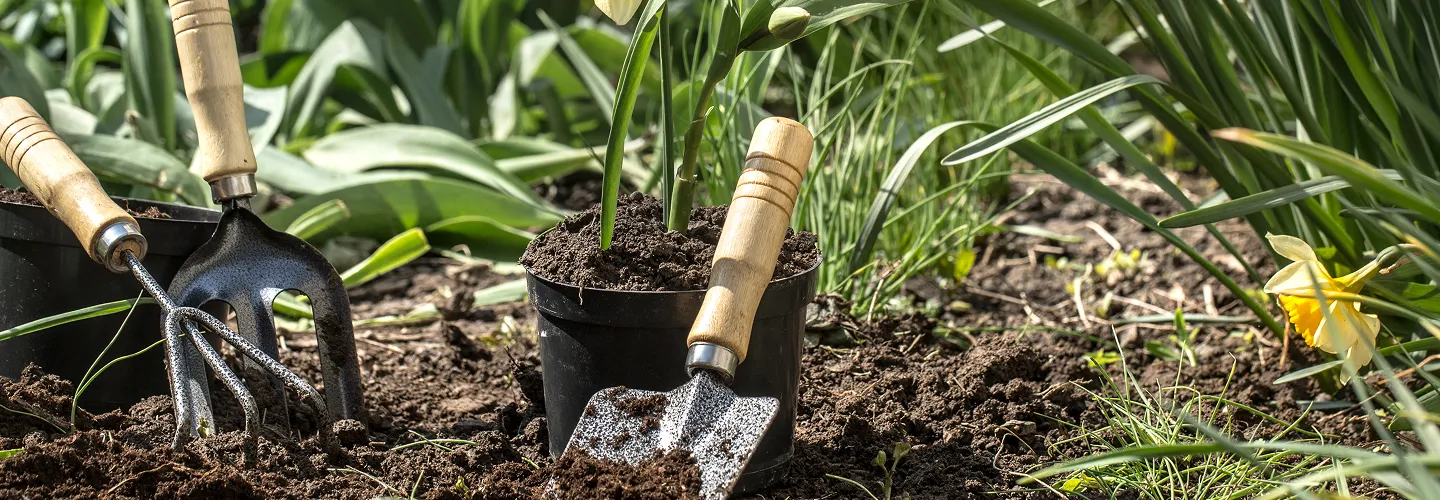
Lehigh Acres Flower Bed Maintenance Services
Choose our Flower Bed Maintenance for expert care, vibrant blooms, and a hassle-free experience that keeps your garden looking its best season after season.
Get a Free QuoteOur Lehigh Acres Landscaping & Yard Care Services
When to Schedule Flower Bed Maintenance in Lehigh Acres, Florida – Seasonal Guide
In Lehigh Acres, Florida, the subtropical climate means flower bed maintenance is best scheduled around the region’s unique weather patterns and growing conditions. The optimal times for maintenance are typically in early spring, just after the last frost date, and again in late fall before the cooler months set in. With neighborhoods like Mirror Lakes and Westminster experiencing high humidity and frequent summer rains, it’s important to plan tasks such as mulching, pruning, and fertilizing to avoid peak heat and heavy rainfall periods.
Local environmental factors play a significant role in determining the best maintenance schedule. For example, areas near Harns Marsh or Veterans Park may have heavier shade coverage and richer soils, while properties closer to Gunnery Road might face more drought risk and sandy terrain. Understanding these microclimates helps ensure your flower beds thrive year-round. For more information on local climate and gardening resources, visit the official town website.
Local Factors to Consider for Flower Bed Maintenance in Lehigh Acres
- Tree density and shade coverage in your yard
- Soil type (sandy, loamy, or clay-rich)
- Proximity to water features or marshlands
- Seasonal precipitation and drought risk
- Municipal watering restrictions
- Terrain slope and drainage patterns
- Neighborhood-specific microclimates
Benefits of Flower Bed Maintenance in Lehigh Acres

Enhanced Curb Appeal
Weed and Pest Prevention
Healthier Plant Growth
Seasonal Color Management
Professional Landscaping Expertise
Time and Effort Savings
Lehigh Acres Flower Bed Maintenance Types

Seasonal Mulching
-
Weed Control Services
-
Soil Amendment
-
Edging and Border Maintenance
-
Annual and Perennial Planting
-
Fertilization Programs
-
Pest and Disease Management
Our Flower Bed Maintenance Process
Site Evaluation
Weed Removal
Soil Cultivation
Mulching
Plant Health Inspection
Why Choose Lehigh Acres Landscape Services
Lehigh Acres Homeowners Trust Us
-
Comprehensive Lawn Maintenance
-
Reliable Irrigation Solutions
-
Expert Tree and Shrub Care
-
Weed and Pest Control
-
Seasonal Clean-Up Services
-
Competitive Pricing
-
Satisfaction Guarantee
Coordinating Flower Bed Maintenance with Lee County Services in Lehigh Acres
Lehigh Acres is an unincorporated community governed by Lee County, which means all municipal-level coordination for flower bed maintenance—including yard waste disposal, stormwater compliance, and code enforcement—routes through county departments. Residents and property managers maintaining flower beds should be aware that vegetative debris generated from bed cleanups, seasonal replanting, and shrub-border trimming must be handled according to Lee County's yard waste collection guidelines. Organic material such as spent annuals, pulled weeds, and old mulch should never be deposited into roadside swales, canal banks, or stormwater inlets, as these feed directly into the regional drainage network.
- Verify current yard waste pickup schedules and bundling requirements through Lee County before placing bed debris curbside
- Coordinate with the county if flower bed work involves areas adjacent to utility easements or drainage infrastructure
- Properties near county-maintained parks or greenways should confirm setback and planting expectations
Lee County Parks and Recreation
Official Website: Lee County Parks and Recreation
For questions about landscape standards near public-facing corridors or park-adjacent parcels, Lee County Parks and Recreation can provide guidance on compatible planting and maintenance practices.
How Lehigh Acres's Subtropical Climate and Soils Shape Flower Bed Performance
Lehigh Acres sits within USDA Hardiness Zone 10a, placing it firmly in a subtropical environment with intense summer heat, high humidity, and a pronounced wet season from roughly June through October. These conditions directly influence every aspect of flower bed maintenance. The area's soils are predominantly sandy and fast-draining, which means nutrients applied to beds leach quickly below the root zone—particularly during heavy summer downpours. According to the USDA Web Soil Survey, much of Lehigh Acres features Immokalee and Oldsmar fine sands, which have limited organic content and poor nutrient retention.
- Rapid nutrient leaching: Sandy soils require slow-release fertilizers and consistent mulch cover to retain moisture and nutrients around bedding plants
- High water table: Many parcels in Lehigh Acres experience seasonally elevated water tables, which can saturate root zones and promote fungal disease in flower beds during the wet season
- Reflected heat: Beds adjacent to driveways, sidewalks, and light-colored structures absorb radiant heat that accelerates soil drying and stresses shallow-rooted annuals
- Fungal and pest pressure: Persistent humidity encourages powdery mildew, root rot, and leaf spot, requiring vigilant deadheading and debris removal to reduce disease reservoirs
Irrigation emitters in flower beds should be checked regularly, as sandy substrates demand frequent but measured watering to avoid both drought stress and runoff into nearby swales or canal edges.
Navigating Lee County's Regulatory Framework for Flower Bed Maintenance
Property owners in Lehigh Acres must account for several layers of regulatory oversight when maintaining flower beds. Lee County enforces property maintenance standards through its code compliance division, which may cite properties for overgrown or neglected beds that create nuisance conditions or obstruct visibility along sidewalks and roadways. Any chemical applications—including herbicides used for weed suppression in beds—must comply with Florida Statutes Chapter 487, which governs pesticide regulation and requires that commercial applicators hold valid credentials through the Florida Department of Agriculture and Consumer Services.
- Fertilizer applications to flower beds should follow the guidance outlined in Florida Statutes §403.9337, which establishes the model ordinance for Florida-Friendly fertilizer use on urban landscapes; verify whether Lee County has adopted a local fertilizer ordinance with seasonal restrictions
- Runoff from flower beds into the county's stormwater system is subject to Florida DEP NPDES Stormwater Program requirements, meaning excess soil, mulch, or chemical-laden water must not enter storm drains, swales, or canals
- Flower bed modifications that involve grading changes, hardscape borders, or irrigation line alterations near rights-of-way may require review through Lee County's development services
Lee County Department of Community Development
Official Website: Lee County Department of Community Development
Lee County Utilities
Official Website: Lee County Utilities
Contact Lee County Utilities to confirm current irrigation schedules and any water conservation restrictions that affect flower bed watering frequency, particularly during dry-season or drought-stage advisories issued by the South Florida Water Management District.
Timing Flower Bed Maintenance Around Lehigh Acres's Wet and Dry Seasons
Professional flower bed maintenance in Lehigh Acres follows a seasonal rhythm dictated by the area's distinct wet and dry periods. Effective scheduling prevents plant loss, reduces waste, and protects the surrounding drainage infrastructure.
- October through February: This is the primary window for installing cool-season annuals such as petunias, snapdragons, and impatiens, which tolerate Lehigh Acres's mild winters but cannot survive summer heat; beds should be refreshed with new mulch at a depth of approximately two to three inches to insulate roots and suppress weeds
- March through May: Transition beds to heat-tolerant species such as pentas, lantana, and vinca as temperatures climb; inspect and adjust drip emitters or micro-sprinklers to ensure even coverage without overspray onto impervious surfaces
- June through September: Focus shifts to weed suppression, deadheading, and drainage management; heavy rains can wash mulch from beds, so edging and containment borders should be inspected monthly to prevent mulch migration into swales or storm inlets
- Year-round: Remove spent blooms and diseased foliage promptly to reduce fungal inoculum; keep granular fertilizer off sidewalks, driveways, and any surface that drains to the stormwater system
The EPA WaterSense program provides additional guidance on efficient irrigation practices that complement flower bed maintenance in water-sensitive communities like Lehigh Acres.
What Neighborhoods Do We Serve Throughout Lehigh Acres, FL?
- Mirror Lakes: This established subdivision features mature landscaping with shaded lots that require flower bed species tolerant of filtered light and competition from tree root systems.
- Lehigh Acres Estates: Larger lot sizes in this area allow for expansive bed layouts, though sandy soils and limited irrigation infrastructure on some parcels demand careful emitter placement and mulch management.
- Homestead: Properties here often sit near canal corridors, making runoff-conscious bed maintenance and proper mulch containment essential to protect adjacent waterways.
- Sunshine Boulevard Corridor: High-visibility parcels along this corridor benefit from consistent seasonal replanting and weed suppression to maintain neighborhood appearance standards.
- Lee Boulevard Area: Newer subdivisions in this section may have compacted fill soils that require soil amendment before flower bed establishment to improve drainage and root penetration.
- Buckingham Road Vicinity: Properties near this boundary area often feature mixed soil profiles and proximity to preserved natural areas, requiring attention to native-compatible plantings and invasive species prevention in beds.