
Lehigh Acres Mulching Services
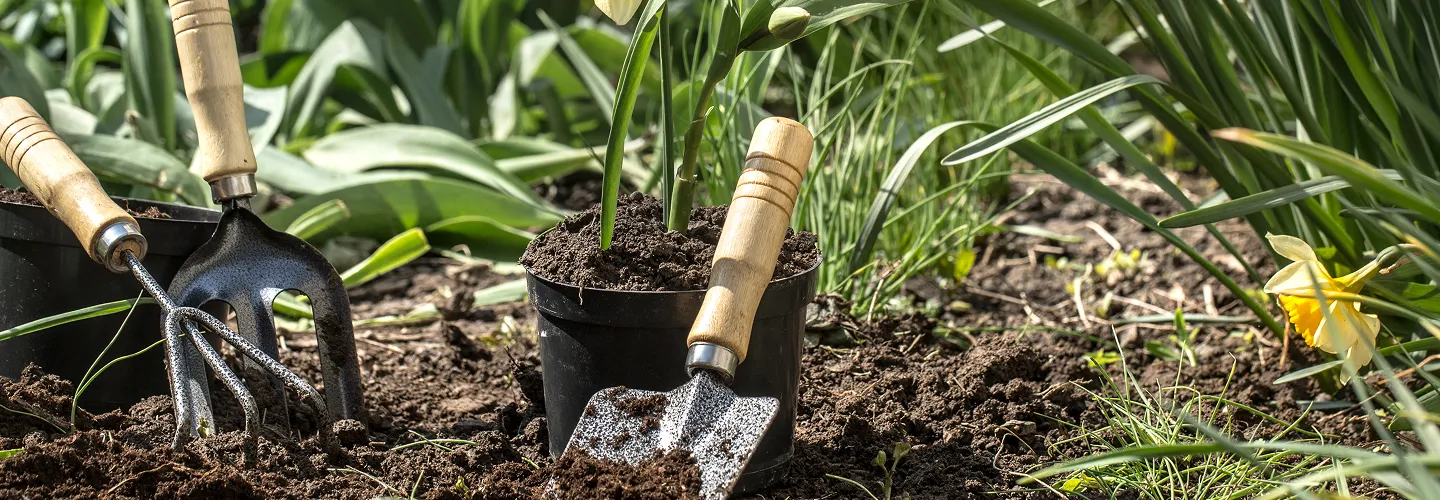
Choose our mulching services for expert installation, premium materials, and long-lasting results that protect your plants, conserve moisture, and boost your home's curb appeal.
Get a Free QuoteOur Lehigh Acres Landscaping & Yard Care Services
When to Schedule Mulching in Lehigh Acres, Florida – Seasonal Guide
In Lehigh Acres, Florida, the best time to schedule mulching is typically in late winter through early spring, just before the region’s rainy season begins. This timing allows mulch to help retain soil moisture during the hot, humid summer months and provides a protective barrier against weed growth. Given the area’s sandy soils and the prevalence of both sun-drenched and shaded lots—such as those found near Veterans Park or along Homestead Road—mulching at the right time can make a significant difference in landscape health and curb appeal.
Local environmental factors play a crucial role in determining the optimal mulching schedule. For example, Lehigh Acres rarely experiences frost, but the risk of drought increases as summer approaches. Homeowners should also consider the unique microclimates created by dense tree canopies in neighborhoods like Mirror Lakes or the open, sun-exposed yards common in Westminster. For more information on local environmental guidelines, visit the official resource.
Local Factors to Consider for Mulching in Lehigh Acres
- Tree density and shade coverage
- Soil type (sandy vs. loamy)
- Seasonal precipitation patterns
- Proximity to water features or canals
- Municipal restrictions or HOA guidelines
- Recent landscaping or construction activity
- Risk of drought or excessive humidity
Benefits of Mulching in Lehigh Acres
Enhanced Soil Moisture Retention
Weed Growth Suppression
Improved Curb Appeal
Temperature Regulation for Plant Roots
Reduced Soil Erosion
Nutrient-Rich Soil Enrichment
Lehigh Acres Mulching Types

Organic Mulch
-
Inorganic Mulch
-
Pine Bark Mulch
-
Cypress Mulch
-
Rubber Mulch
-
Hardwood Mulch
-
Colored Mulch
Our Mulching Process
Site Preparation
Weed Removal
Mulch Selection
Mulch Application
Final Inspection
Why Choose Lehigh Acres Landscape Services
Lehigh Acres Homeowners Trust Us
-
Comprehensive Lawn Maintenance
-
Reliable Irrigation Solutions
-
Expert Tree and Shrub Care
-
Weed and Pest Control
-
Seasonal Clean-Up Services
-
Competitive Pricing
-
Satisfaction Guarantee
Coordinating Mulching Services With Lee County Departments in Lehigh Acres
Lehigh Acres is an unincorporated community governed by Lee County, which means all municipal coordination for landscape services—including mulching—routes through county-level departments. Property owners planning mulching projects in planting beds, tree rings, or common areas should be aware of how county programs intersect with this work. Lee County's stormwater management framework requires that landscape materials, including mulch, not obstruct swales, drainage inlets, or canal banks. Excess mulch that migrates into stormwater conveyances can contribute to nutrient loading and blockages in the community's extensive canal network. Residents should verify current yard waste and bulk material delivery guidelines through the county before scheduling large-scale mulch installations.
- Confirm that mulch deliveries do not block rights-of-way, swale lines, or sidewalk access
- Coordinate with county stormwater guidance when mulching near canal easements or retention areas
- Review Lee County tree requirements when mulching around protected or newly planted trees on development sites
- Contact Lee County Parks and Recreation for standards applied to public-facing landscape beds adjacent to residential parcels
Lee County Parks and Recreation
Official Website: Lee County Parks and Recreation
Lee County Department of Community Development
Official Website: Lee County Department of Community Development
How Lehigh Acres's Sandy Soils and Subtropical Heat Shape Mulching Needs
Lehigh Acres sits within USDA Hardiness Zone 10a, experiencing a subtropical climate characterized by intense summer heat, high humidity, and a pronounced wet season from roughly June through October. These conditions directly influence how mulch performs and degrades across the landscape. The area's predominant soils are sandy and well-drained, which means moisture passes quickly through the root zone. Organic mulch serves a critical role in slowing evaporation and moderating soil surface temperatures that can exceed 130°F on exposed sand during peak summer months.
- Sandy soils in Lehigh Acres subdivisions lose moisture rapidly; mulch reduces irrigation demand by buffering the soil surface against direct solar exposure
- High humidity and frequent summer rainfall accelerate organic mulch decomposition, requiring more frequent depth checks than in drier climates
- Nutrient leaching is a persistent concern on sandy substrates—decomposing mulch contributes slow-release organic matter that helps retain nutrients in the root zone
- Lehigh Acres's flat topography and extensive canal and swale drainage network make erosion control around beds and tree rings especially important during heavy rain events
The USDA Plant Hardiness Zone Map confirms the subtropical classification that governs plant selection and, by extension, mulch compatibility in this region.
Navigating Lee County's Stormwater and Land Use Rules for Mulching Projects
While mulching itself does not typically require a permit, property owners and managers in Lehigh Acres must remain aware of several regulatory frameworks that affect how and where mulch is placed. Lee County enforces stormwater management standards under the Florida DEP NPDES Stormwater Program, which prohibits the discharge of landscape materials—including displaced mulch, dyed runoff, or organic debris—into the municipal separate storm sewer system (MS4). Mulch placed too close to canal banks, swale edges, or retention pond slopes can wash into these systems during wet-season storms.
- Avoid piling mulch against drainage structures, curb inlets, or within swale flow lines
- Dyed mulch products should be evaluated for chemical content; materials that leach colorants into stormwater may raise compliance concerns under the Clean Water Act
- Properties adjacent to preserves, wetlands, or conservation easements should verify setback and buffer requirements through Lee County's Department of Community Development before installing mulch beds
- Commercial properties and HOA common areas may be subject to additional site-plan conditions governing landscape material placement
Residents can review zoning and land-use conditions that may affect landscape modifications through Lee County Zoning.
Timing and Methods for Effective Mulching in Lehigh Acres's Climate
Professional mulching in Lehigh Acres follows timing and technique standards adapted to the region's heat, rainfall, and soil behavior. The optimal window for fresh mulch application is late spring, just before the wet season begins, which allows the material to settle and begin moderating soil conditions ahead of peak heat and rainfall. A second application or top-dressing in late fall helps maintain coverage through the cooler dry season when irrigation frequency typically decreases.
- Maintain mulch depth between two and three inches in most planting beds; deeper layers can trap excess moisture against root crowns and promote fungal issues in Lehigh Acres's humid conditions
- Keep mulch pulled back at least three inches from tree trunks and shrub bases to prevent bark rot and pest harborage—a practice especially important given the area's year-round warmth
- Use coarse-textured organic mulch such as pine bark or melaleuca mulch, which resists flotation during heavy downpours better than fine-ground products
- On sloped beds or areas near canal easements, consider heavier mulch grades or light anchoring techniques to prevent washout during summer storms
- Replenish mulch as decomposition reduces effective depth, typically every four to six months in Lehigh Acres's accelerated decomposition environment
The UF/IFAS Gardening Solutions resource on protecting Florida's water resources provides additional guidance on landscape practices that reduce nutrient runoff from mulched areas.
What Neighborhoods Do We Serve Throughout Lehigh Acres, FL?
- Mirror Lakes — Properties in this area often feature mature landscaping with established tree canopies, requiring mulch management around large root zones and shaded beds where decomposition rates differ from sun-exposed sites.
- Buckingham — Larger rural-residential lots in the Buckingham area may involve extensive mulching around fruit trees and mixed plantings on sandy, well-drained soils with limited irrigation infrastructure.
- Gateway — Newer subdivision development in Gateway means many properties have compacted fill soils that benefit from organic mulch to improve soil structure and moisture retention over time.
- Harlem Heights — Canal-adjacent parcels in this area require careful mulch placement to prevent material migration into drainage conveyances during wet-season storms.
- San Carlos Park — Properties near commercial corridors and higher-density residential areas often maintain mulched common beds subject to HOA appearance standards and stormwater site-plan conditions.
- Suncoast Estates — Older residential lots in Suncoast Estates frequently have mature palms and shade trees where mulch rings help suppress weeds and conserve moisture on exposed sandy soils.