
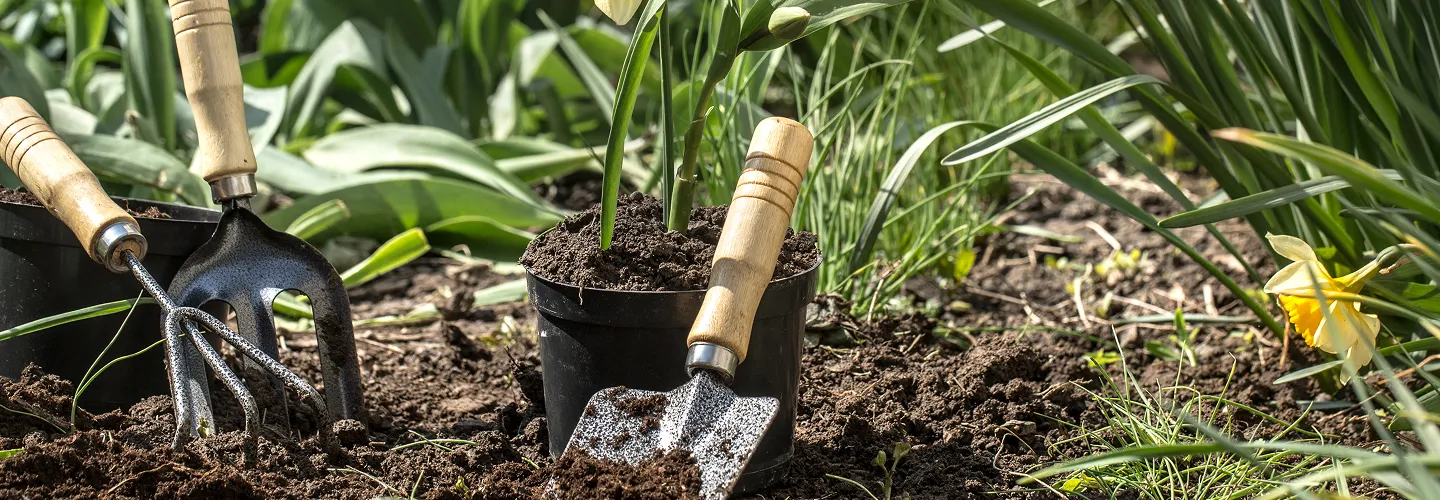
Lehigh Acres Flower Planting Services
Choose our flower planting services for expert design, healthy plants, and vibrant color that lasts all season—making your garden the envy of the neighborhood.
Get a Free QuoteOur Lehigh Acres Landscaping & Yard Care Services
When to Schedule Flower Planting in Lehigh Acres, Florida – Seasonal Guide
Flower planting in Lehigh Acres, Florida, is best scheduled with careful attention to our region’s unique subtropical climate and local landscape features. The optimal planting windows typically fall between late October and early April, when cooler temperatures and reduced humidity create ideal conditions for establishing vibrant blooms. Planting during these months helps avoid the intense summer heat and heavy rainfall that can stress young plants.
Local factors such as the proximity to the Lehigh Acres Community Park, the shade provided by mature oaks in neighborhoods like Mirror Lakes, and the sandy, well-draining soils common throughout the area all play a role in determining the best time for planting. It’s also important to consider the last expected frost date—usually in early February—and to monitor for periods of drought, which can impact both planting success and ongoing maintenance. For more detailed local guidelines, consult resources like the Town of Sudbury’s environmental recommendations, which offer valuable insights for adapting to changing weather patterns.
Local Factors to Consider for Flower Planting in Lehigh Acres
- Tree density and available shade in your yard
- Soil composition and drainage, especially in sandy or low-lying areas
- Seasonal precipitation patterns and drought risk
- Proximity to landmarks such as Lehigh Acres Community Park or Mirror Lakes
- Municipal restrictions or watering schedules
- Terrain variations, including elevation and slope
Benefits of Flower Planting in Lehigh Acres
Enhanced Curb Appeal
Increased Property Value
Expert Plant Selection
Seasonal Color Variety
Low-Maintenance Solutions
Eco-Friendly Landscaping
Lehigh Acres Flower Planting Types

Annual Flower Beds
Seasonal color displays using vibrant annuals for maximum impact.
-
Perennial Gardens
Long-lasting blooms that return year after year for low-maintenance beauty.
-
Native Wildflower Plantings
Eco-friendly gardens featuring flowers adapted to the local climate.
-
Pollinator-Friendly Gardens
Flower beds designed to attract bees, butterflies, and other pollinators.
-
Shade Garden Plantings
Flower selections ideal for areas with limited sunlight.
-
Container Flower Arrangements
Versatile flower displays in pots and planters for patios and entryways.
-
Drought-Tolerant Flower Beds
Low-water flower options perfect for sustainable landscaping.
Our Flower Planting Process
Site Evaluation
Soil Preparation
Flower Selection
Planting
Watering and Mulching
Why Choose Lehigh Acres Landscape Services
Lehigh Acres Homeowners Trust Us
-
Comprehensive Lawn Maintenance
-
Reliable Irrigation Solutions
-
Expert Tree and Shrub Care
-
Weed and Pest Control
-
Seasonal Clean-Up Services
-
Competitive Pricing
-
Satisfaction Guarantee
Coordinating Flower Planting Projects with Lee County Departments in Lehigh Acres
Lehigh Acres is an unincorporated community governed by Lee County, which means all land-use guidance, landscaping standards, and development review fall under county-level departments. Residents and property managers planning flower planting projects—particularly those involving bed construction near rights-of-way, swales, or drainage easements—should coordinate with the Lee County Department of Community Development before beginning site work. This department handles development review, land-use compliance, and code interpretation that may affect planting placement along frontages or within required setback areas.
- Verify whether proposed flower bed locations encroach on county-maintained swales or utility easements before excavating or amending soil
- Confirm that planting plans near roadways or sidewalks comply with Lee County visibility triangle requirements
- Review any HOA-specific landscape guidelines that may govern plant species, bed dimensions, or mulch types in deed-restricted communities
For projects adjacent to public parks or greenway corridors, Lee County Parks and Recreation can clarify whether county landscape standards apply to adjoining private parcels.
Lee County Department of Community Development
1500 Monroe Street, Fort Myers, FL 33901
Official Website: Lee County Department of Community Development
Lee County Parks and Recreation
1500 Monroe Street, Fort Myers, FL 33901
Official Website: Lee County Parks and Recreation
How Lehigh Acres's Subtropical Climate and Sandy Soils Shape Flower Planting
Lehigh Acres sits within USDA Hardiness Zone 10a, placing it firmly in a subtropical environment where summer heat regularly exceeds 90°F and humidity remains elevated from May through October. These conditions directly influence which flower species establish successfully and how planting beds must be prepared. The USDA Plant Hardiness Zone Map confirms that Lehigh Acres rarely experiences freezing temperatures, which expands the palette of warm-season annuals and tropical perennials but also intensifies heat stress on newly installed plants.
- Sandy, nutrient-poor soils: Much of Lehigh Acres is underlain by fine sands with low organic matter and rapid drainage, meaning nutrients leach quickly and soil amendments are essential at planting time
- High water table variability: Some areas experience seasonally high water tables during the wet season (June through September), which can saturate root zones and promote fungal disease in flower beds without proper drainage
- Intense summer rainfall: Lehigh Acres receives approximately 50–55 inches of rain annually, with the majority falling during afternoon thunderstorms from June through October, creating erosion risk in unprotected beds
- Reflected heat from pavement: In subdivision settings with concrete driveways and sidewalks, radiant heat can stress flowers planted along hardscape edges, requiring species tolerant of elevated temperatures
Soil preparation should include organic amendments such as composted material to improve moisture retention and nutrient-holding capacity in the predominantly sandy substrate. The USDA Web Soil Survey provides parcel-level soil data for property owners seeking detailed information before planting.
Navigating Lee County's Regulations and Environmental Compliance for Flower Planting
While flower planting on private residential lots in Lehigh Acres does not typically require a permit, several regulatory considerations apply when projects involve grading changes, irrigation modifications, or proximity to environmentally sensitive areas. Lee County enforces land development codes that address landscaping within required buffers, visibility corridors, and stormwater management zones. Property owners should verify current zoning requirements through Lee County Zoning before installing raised beds or modifying grade near property boundaries.
- Any flower planting that involves soil import, regrading, or alteration of existing drainage patterns near swales or retention areas may trigger review under Lee County's stormwater management standards
- Fertilizer applications associated with flower bed establishment must comply with Florida Statutes §403.9337, which provides the framework for Florida-Friendly fertilizer use on urban landscapes, including restrictions during the wet season
- Chemical weed control or pest treatment in flower beds requires proper product labeling compliance; commercial applicators must hold valid credentials through FDACS Pesticide Applicator Certification and Licensing
- Irrigation systems serving new flower beds must operate within the watering restrictions established by the South Florida Water Management District; verify current schedules through Lee County Utilities
Runoff from flower beds—especially during establishment when soil is loose and mulch is fresh—must not discharge sediment, fertilizer, or organic debris into adjacent canals, swales, or storm drains. The Florida DEP NPDES Stormwater Program governs discharge standards that apply throughout Lee County's municipal stormwater system.
Lee County Utilities
1500 Monroe Street, Fort Myers, FL 33901
Official Website: Lee County Utilities
Timing and Professional Standards for Flower Planting in Lehigh Acres's Growing Seasons
Flower planting in Lehigh Acres follows a dual-season approach shaped by the area's subtropical wet-dry cycle. The optimal primary planting window for warm-season annuals and tropical perennials runs from mid-October through early May, when temperatures moderate, rainfall decreases, and transplant shock is minimized. A secondary planting window exists in early June for heat-tolerant species, provided irrigation is immediately available to supplement establishment before heavy afternoon rains begin.
- Species selection by exposure: South-facing beds with full sun exposure suit heat-tolerant selections such as pentas, lantana, plumbago, and firebush; shaded beds beneath mature oaks or palms accommodate impatiens, crossandra, and caladiums
- Soil preparation protocol: Amend native sand with two to three inches of organic compost worked into the top six to eight inches of soil to improve water retention and root establishment
- Mulch application: Apply two to three inches of organic mulch around plantings, keeping mulch pulled back from stems to prevent crown rot in humid conditions
- Irrigation during establishment: Water newly planted flowers daily for the first one to two weeks, then transition to two to three times per week as roots establish, adjusting for rainfall and current watering restriction schedules
- Drainage verification: Before planting, confirm that bed areas drain within 24 hours after saturation; standing water promotes root rot in most ornamental flower species suited to Lehigh Acres
Professionals should avoid planting during peak wet-season months (July through September) when daily heavy rainfall, saturated soils, and elevated fungal pressure significantly reduce transplant survival rates.
What Neighborhoods Do We Serve Throughout Lehigh Acres, FL?
- Mirror Lakes: This established subdivision features mature tree canopy and canal-adjacent lots where flower planting requires attention to shade exposure and drainage patterns near waterway edges.
- Buckingham Road Corridor: Properties along this corridor tend toward larger rural-residential lots with full sun exposure and sandy soils that benefit from thorough organic amendment before flower bed installation.
- Homestead Road South: Newer subdivision development in this area often involves compacted fill soils that require additional preparation to support healthy root establishment for ornamental plantings.
- Lee Boulevard Estates: Lots in this area frequently border swales and drainage easements, making proper bed placement and runoff management essential during flower planting projects.
- Sunshine Boulevard North: This residential corridor includes a mix of older and newer homes where irrigation system coverage and heat reflection from driveways influence flower species selection.
- Joel Boulevard Area: Properties here often feature standard subdivision lot sizes with HOA landscape guidelines that may specify approved plant species, bed locations, and mulch materials for flower installations.